
}
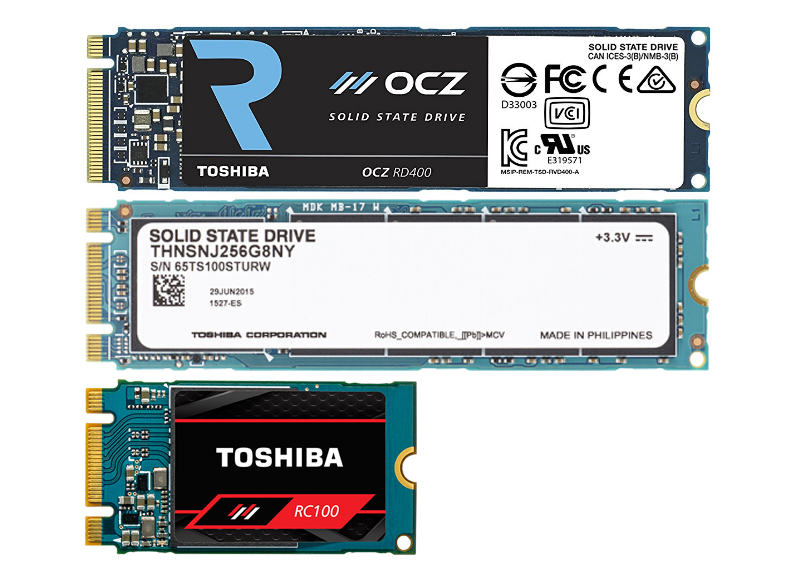
When talking about M.2, most people know it is an interface for solid‑state drives. However, not all M.2 slots support every type of M.2 SSD. You may notice some M.2 SSDs have two notches on their connector, while others only have one. Let’s break down the differences.

Common M.2 module form factors include M.2‑2242 and M.2‑2280, alongside multiple other standardized dimensions. One core rule: a shorter M.2 module can fit into a longer M.2 slot. For instance, an M.2‑2242 drive can work in an M.2‑2280 slot.
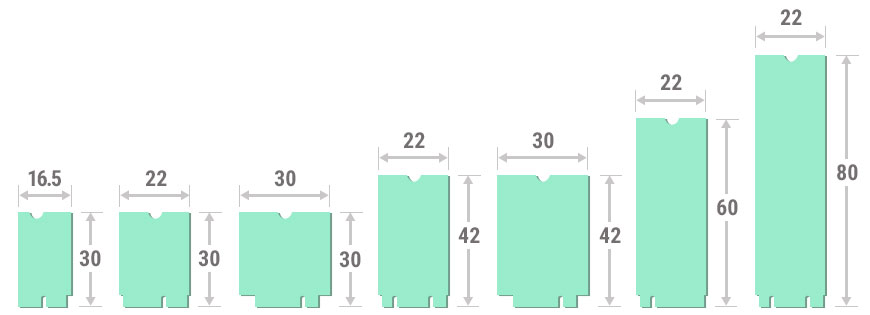
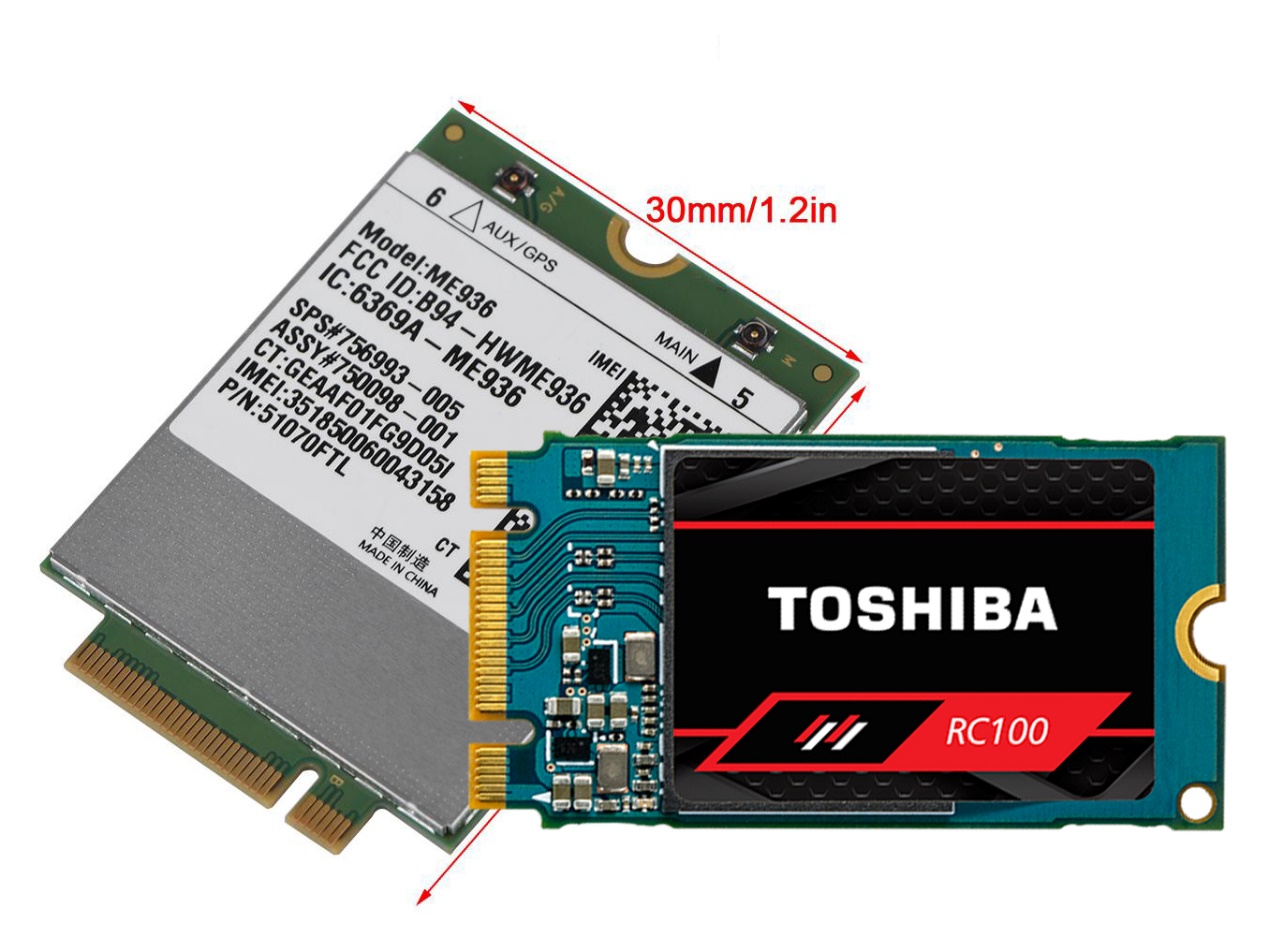
Not all M.2 slots are designed for storage devices. The M.2 E‑Key slot is reserved exclusively for Wi‑Fi adapters. Observe closely, and you will find its notch position differs from the B‑Key on standard SSDs. M.2 slots identify supported device types by the physical position of their notch.

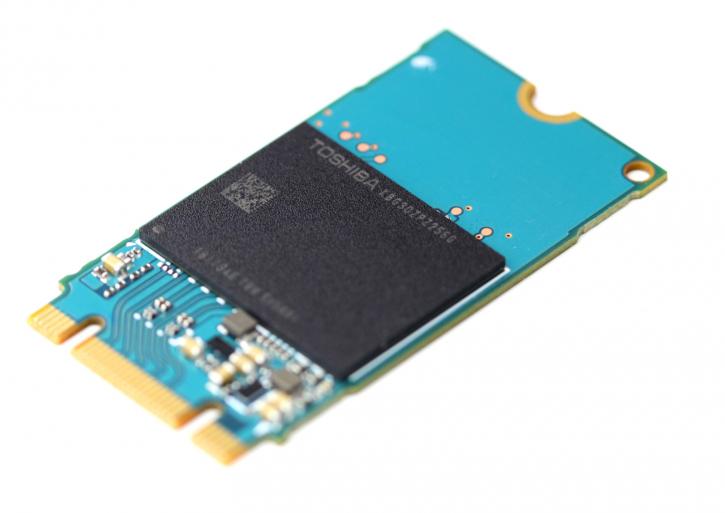
M.2 SSDs fall into two main connector variants: single‑notch (M‑Key) and dual‑notch (B+M‑Key).
Single‑notch M‑Key SSDs: operate exclusively under the PCIe NVMe protocol.
Dual‑notch B+M‑Key SSDs: support either NVMe or SATA‑AHCI protocols.
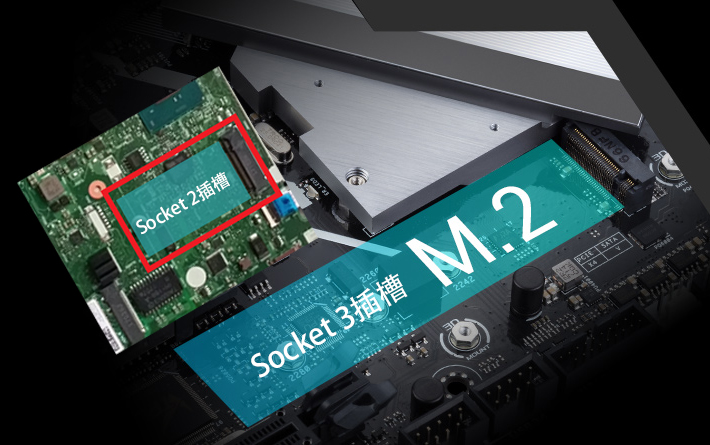
Correspondingly, M.2 host slots have different notch configurations. The two most widespread specifications are Socket 2 and Socket 3.
Socket 2: supports PCIe ×2 or SATA channels.
Socket 3: supports PCIe ×4 or SATA channels.
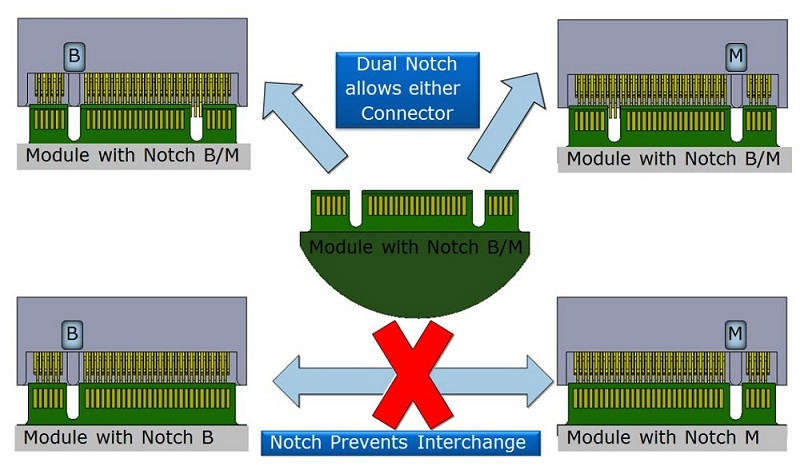
Physical notch limits determine compatibility:
Dual‑notch (B+M‑Key) SSDs fit both Socket 2 and Socket 3 M.2 slots.
Single‑notch (M‑Key) SSDs work only in Socket 3 slots.
Dual‑notch B+M‑Key hardware runs on PCIe ×2 lanes, which caps its sequential read‑write bandwidth. Nevertheless, 4K random read‑write performance, critical for day‑to‑day usability, remains unaffected.
| Slot Type | Key | Supported M.2 Modules | Max Bandwidth |
|---|---|---|---|
| Socket 2 | B | B‑Key / B+M‑Key | 16 Gbps |
| Socket 3 | M | M‑Key / B+M‑Key | 32 Gbps |
Even with PCIe ×2 bandwidth constraints, capable dual‑notch NVMe products exist. The B+M‑Key form factor delivers broad compatibility, and its 4K random performance can rival high‑end flagship NVMe SSDs.
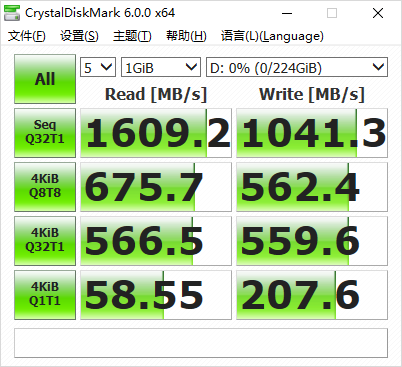
Thanks to the dual‑notch B+M‑Key layout, certain drives can even boot and operate inside B‑Key‑based M.2‑2242 slots originally meant for 4G cellular modems. This special use case has been verified on multiple notebook platforms.
For maximum raw performance: select single‑notch M‑Key M.2 NVMe SSDs (subject to motherboard chipset limitations).
For broad hardware compatibility: choose dual‑notch SATA M.2 SSDs.
To balance performance and cross‑device compatibility: dual‑notch B+M‑Key NVMe SSDs offer the most practical solution.
Contact: EGSMTPC
Phone: +86 13418881073
Tel: +86 13418881073
E-mail: coral@eglobaltech.cn
Add: 16D, QUANZHI Science & Technology Building, Maozhoushan Industrial Park, Hou Ting Community, Sha Jing Street, Bao'an District, Shenzhen, 518104 China